





Sea-Facing Apartments in South Mumbai: A Buyer’s Guide to Waterfront Living
Published on: August 27, 2026
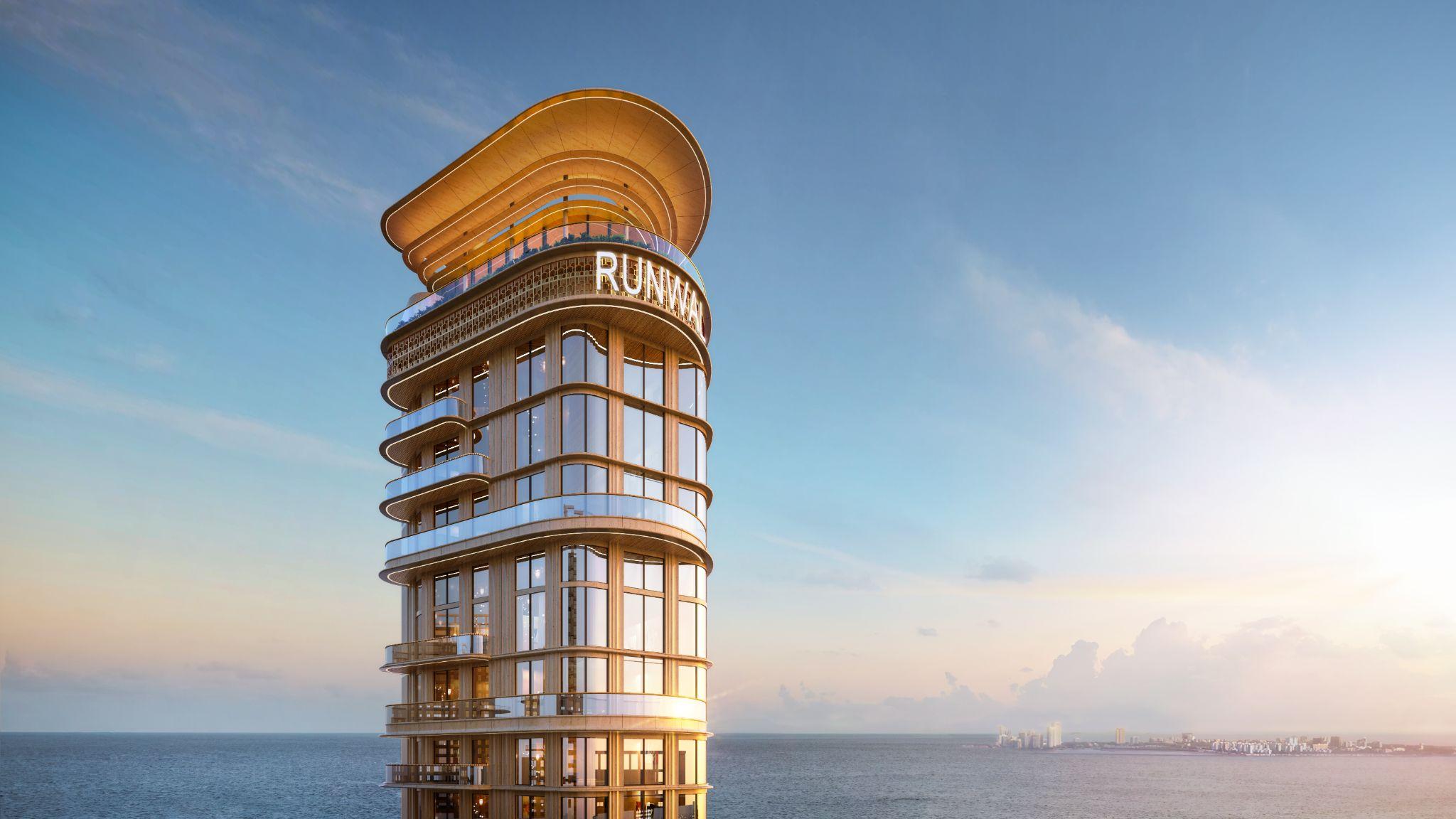
Sea-facing apartments in South Mumbai regularly fetch the highest prices and sell quickly in the city’s luxury market, and the reason is simple: the supply cannot increase. The Arabian Sea coastline is fixed. Regulations restrict construction on or near the waterfront. Heritage protections, CRZ (Coastal Regulation Zone) norms, and the limited geography of Mumbai’s southern peninsula ensure that the number of genuine sea-facing flats in Mumbai (South Mumbai) is one of the most constrained of any residential category in India.
This is not just about prices. It’s about what living by the sea in a city like Mumbai really means, what changes in daily life, what benefits a waterfront address provides that an inland apartment lacks, and what buyers should consider before making such an important decision.
What Makes Sea-Facing Homes So Rare in South Mumbai?
Mumbai’s geography is crucial. The city is on a peninsula bordered by the Arabian Sea to the west, Mahim Bay and Thane Creek to the east, and Back Bay at the southern tip. The residential addresses facing open water are limited to a narrow coastal strip that includes Cuffe Parade, Marine Drive, Breach Candy, Walkeshwar, Malabar Hill, Mahalaxmi, and the Worli Sea Face on the western edge, along with Mazgaon and Byculla on the eastern side.
This results in a residential category where supply has effectively stalled while demand, fuelled by local high-net-worth individuals, NRIs, and globally mobile professionals, continues to increase. Mumbai accounted for about 69%* of India’s ultra-luxury residential transactions above ₹100 crore in the three years leading to 2025. Within Mumbai, the waterfront corridor from Malabar Hill to Worli attracted much of this activity. This context is essential for understanding the purchase of a sea-facing apartment in South Mumbai.
More Than a View: What Everyday Life Feels Like by the Sea
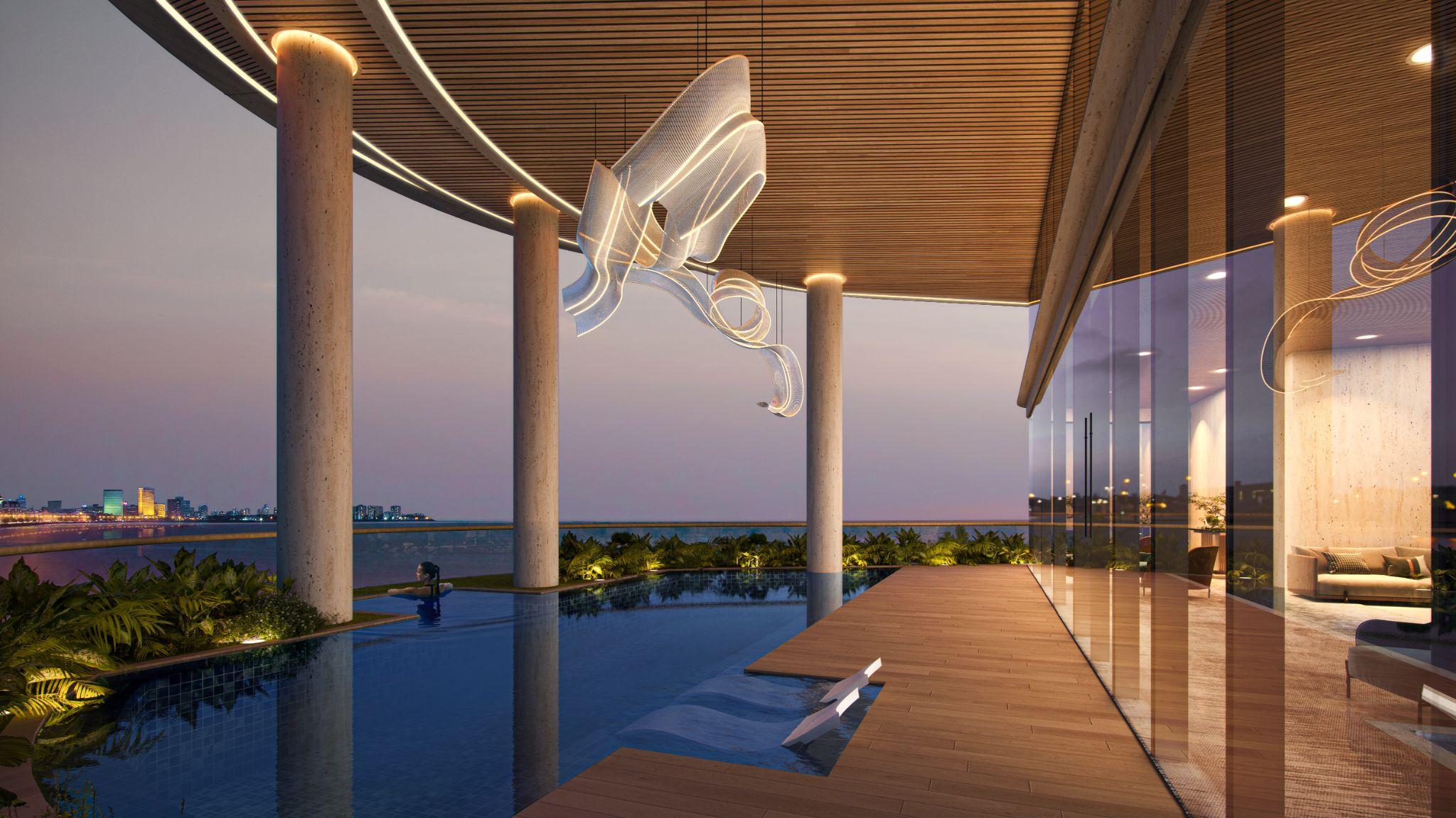
The most common benefit of sea-view apartments in Mumbai is the view. It is real and significant: an unobstructed sightline across the Arabian Sea or Mumbai Harbour is a visual experience that transforms throughout the day from the soft silvers of early morning to the shiny gold of late afternoon, to the city’s lit skyline reflected on the water at night. This landscape is dynamic. It changes with the season, the weather, and the time of day in ways that a view of other buildings cannot match.
However, the practical advantages of living near the sea extend beyond the view. Sea-facing homes tend to have better cross-ventilation, aided by the predictable coastal breeze. Air quality in the immediate vicinity of the waterfront areas of South Mumbai, such as Worli, Malabar Hill, and Mahalaxmi, is noticeably better than in denser inland areas, where traffic and construction primarily contribute to air pollution.
The promenades and public spaces at the water’s edge form part of the lifestyle that comes with a sea-facing address. The Worli Sea Face Promenade, the Marine Drive walkway, and the Mahalaxmi seafront contribute to the daily outdoor experience for residents accessible without a commute, usable at any time, and offering a unique quality of open, uncrowded space that’s rare in such a densely populated city.
Residents of sea-facing apartments in Mumbai (South Mumbai) often describe a specific sense of relaxation stemming from their views. The open horizon offers a visual respite that dense urban views cannot. Research in environmental psychology supports this effect: access to natural landscapes, including views of water, correlates with lower stress and higher well-being in residential settings.
The South Mumbai Locations That Have Become Synonymous With Waterfront Living
Within South Mumbai’s coastal strip, several structural factors permanently limit new supply. CRZ regulations prevent construction within specific distances from the high-tide line, restricting what can be built on the waterfront even if land is available. Heritage protections in parts of South Mumbai also limit development. FSI caps on the southern peninsula limit the height and density of new buildings compared to those allowed in the northern suburbs. As a result, most of the large developable parcels have been taken, leaving fewer truly new sea-facing addresses.
Worli
Worli is the most lively and well-connected waterfront residential neighbourhood in South Mumbai. The Bandra-Worli Sea Link, located 2.4 km from central Worli, cuts travel times to Bandra and BKC to about 15-20 minutes. This change has shifted Worli from a peripheral location in South Mumbai to a central one. The Coastal Road, which opened in March 2024, further improves access to Marine Drive and Malabar Hill. According to ANAROCK’s 2025 data, 29 towers of 40 or more stories have been built in Worli since 2008, making it the most actively developed waterfront micro-market in the city.
Runwal Realty has a presence in Worli through Runwal Raaya, a 5-acre, low-density development featuring two towers. It offers 3 BHK residences starting at 1,738 sq. ft, 4 BHK residences from 2,208 sq. ft, and 5 BHK residences from 4,285 sq. ft, all designed by the global firm Broadway Malyan.
MahaRERA registration numbers are P51900080218 and P51900080252.
Malabar Hill
Malabar Hill occupies a different position in the market. At 55 meters above sea level, the highest natural point in South Mumbai, it offers wide views across the Arabian Sea, Back Bay, and the Nariman Point skyline. An FSI cap of 1.33 and heritage regulations prevent construction within 100 feet of the hill slopes, maintaining its notably low density. These structural constraints, in place for over a century, ensure that the neighbourhood’s character is unlikely to change regardless of market cycles.
Runwal Malabar, located next to the Governor’s Estate on Malabar Hill, comprises sky mansions positioned 690 feet above the city with a 270° view of the Arabian Sea and Mumbai’s skyline. Priced from ₹33 Cr, it is Runwal Realty’s ultra-luxury offering at this address.
Mahalaxmi
Mahalaxmi offers a unique combination: sea views to the west and the 225-acre Mahalaxmi Racecourse, a protected green space, to the east. The neighbourhood is about 10 minutes from Lower Parel and BKC, providing access to the business district that Malabar Hill’s more southern location does not offer as easily. The Coastal Road further improves Mahalaxmi’s connectivity northward to Worli and Bandra.
Byculla
Byculla, on the eastern side of the peninsula, offers a different kind of water view: the Eastern Harbour and Mahim Bay, rather than the open Arabian Sea. Its proximity to the 60-acre Rani Baug botanical garden adds an unusual green foreground to the water view, a mix that is rare in such a high-density urban area.
Why Sea-Facing Apartments Command a Premium
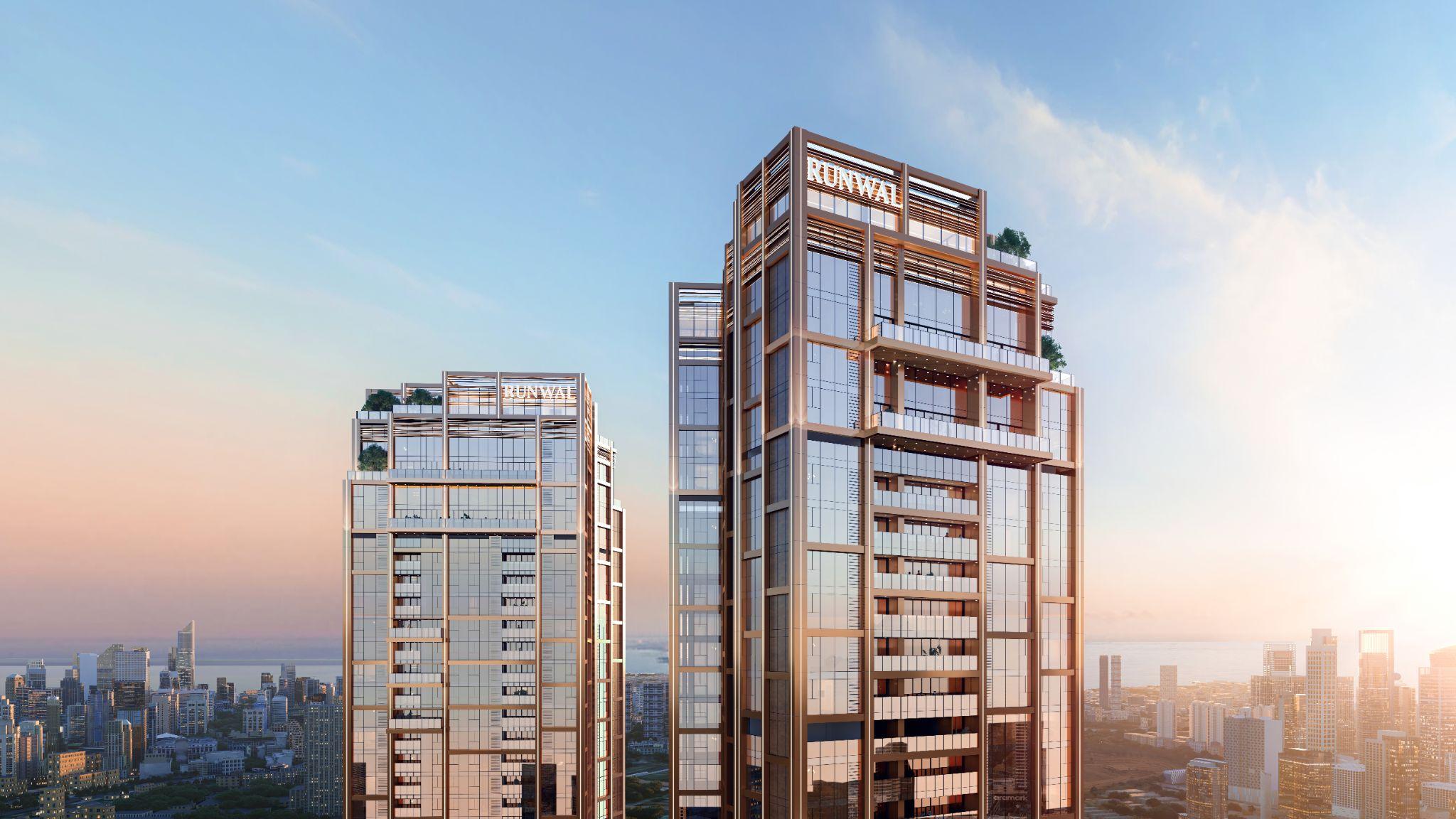
The higher prices for sea-facing apartments in South Mumbai stem from a mix of solid factors rather than mere speculation.
Scarcity is the main reason. The coastline cannot be stretched, and new waterfront land cannot be created. As the number of available seafront sites decreases, demand for existing sea-facing properties increases. This is a permanent characteristic of the market, not a temporary one.
Demand diversity is the second reason. Buyers looking for sea-facing homes in South Mumbai include wealthy locals and ultra-high-net-worth families who see these as long-term assets. It also includes NRIs, whose foreign income makes Mumbai waterfront property affordable. Their connection to India adds emotional value. Additionally, globally mobile professionals who have experienced luxury coastal markets elsewhere find Mumbai’s waterfront living comparable. This variety in demand means that when one group of buyers pulls back, others continue to support the market.
Infrastructure development is the third reason. The Coastal Road project is improving commute times along the western shoreline, particularly between Marine Drive and Worli. This increases the usability of the entire western residential area. The already operational Mumbai Trans Harbour Link has further boosted access in the region. As infrastructure enhancements make commuting in South Mumbai easier, demand for sea-facing locations rises.
In terms of market data, sales of luxury apartments in Mumbai that are priced above ₹10 crore reached ₹14,750* crore in H1 2025. This marks an 11% increase compared to H1 2024 and sets a record for any half-year period, according to the India Sotheby’s International Realty and CRE Matrix H1 CY’25 Luxury Housing Report. These figures represent the overall market, not specific projects. Individual property performance can vary based on location, developer, floor, and layout.
Looking Beyond the Balcony: What Buyers Should Consider
For buyers treating a sea-facing apartment in South Mumbai as a serious purchase, several practical factors play a role:
Orientation and view permanence
The view from a sea-facing apartment only remains as permanent as the landscape in front of it. In South Mumbai’s established areas, CRZ norms, heritage protections, and FSI limits make it less likely that views will be blocked than in developing neighbourhoods. Buyers should check what can be legally built on the land directly in front of their unit.
Floor level and view geometry
In a tall building, the sea view from the 5th floor and the 35th floor is quite different. Higher floors capture more horizon, more sky, and a fuller view; lower floors might have blocked or partial views even in a sea-facing building. This difference affects price and should be verified on-site rather than assumed from a floor plan.
Salt air and coastal maintenance
Sea-facing apartments in Mumbai deal with harsher conditions than inland apartments. Humid air combined with salt can accelerate wear on metal fixtures, exterior surfaces, and air conditioning units if not properly managed. Well-built buildings from reputable developers use corrosion-resistant materials and protective coatings; buyers should confirm this before making a purchase.
RERA registration and developer track record
The usual checks for any apartments in Mumbai are even more crucial at the ultra-luxury level, where the stakes are higher, and the inventory is scarcer. Always verify the MahaRERA registration, quarterly progress reports for projects under construction, and the developer’s history of on-time delivery before booking.
Why South Mumbai Continues to Set the Benchmark for Waterfront Living
Mumbai is one of the few cities worldwide that combines a major financial hub with an easily accessible urban waterfront reachable from desirable residential areas. Cities like New York, Hong Kong, Singapore, Sydney, and Dubai show a similar blend; waterfront properties in these locations maintain high value and are regarded as long-term investments by savvy buyers.
The waterfront in South Mumbai holds a similar status within India’s real estate landscape. It is not just expensive; it is limited in a way that many other pricey locations are not. The heritage protections, CRZ regulations, and geography that restrict new construction along the coast are the same factors that increase the value of existing waterfront properties over time. Buyers looking at sea-facing apartments in Mumbai (South Mumbai) at this price point are not just purchasing luxury; they are investing in a market with limited supply and steady demand.
Runwal Realty’s projects in South Mumbai, Runwal Raaya in Worli, and Runwal Malabar on Malabar Hill fit within this framework. Both are located in areas defined by geography and regulations rather than trends. They also showcase the company’s focus on premium residential development in the MMR; they build in locations where long-term fundamentals are clear rather than in speculative areas.