





Under-Construction vs Ready-to-Move Homes in Mumbai: Which Makes More Sense for Investment?
Published on: July 13, 2026
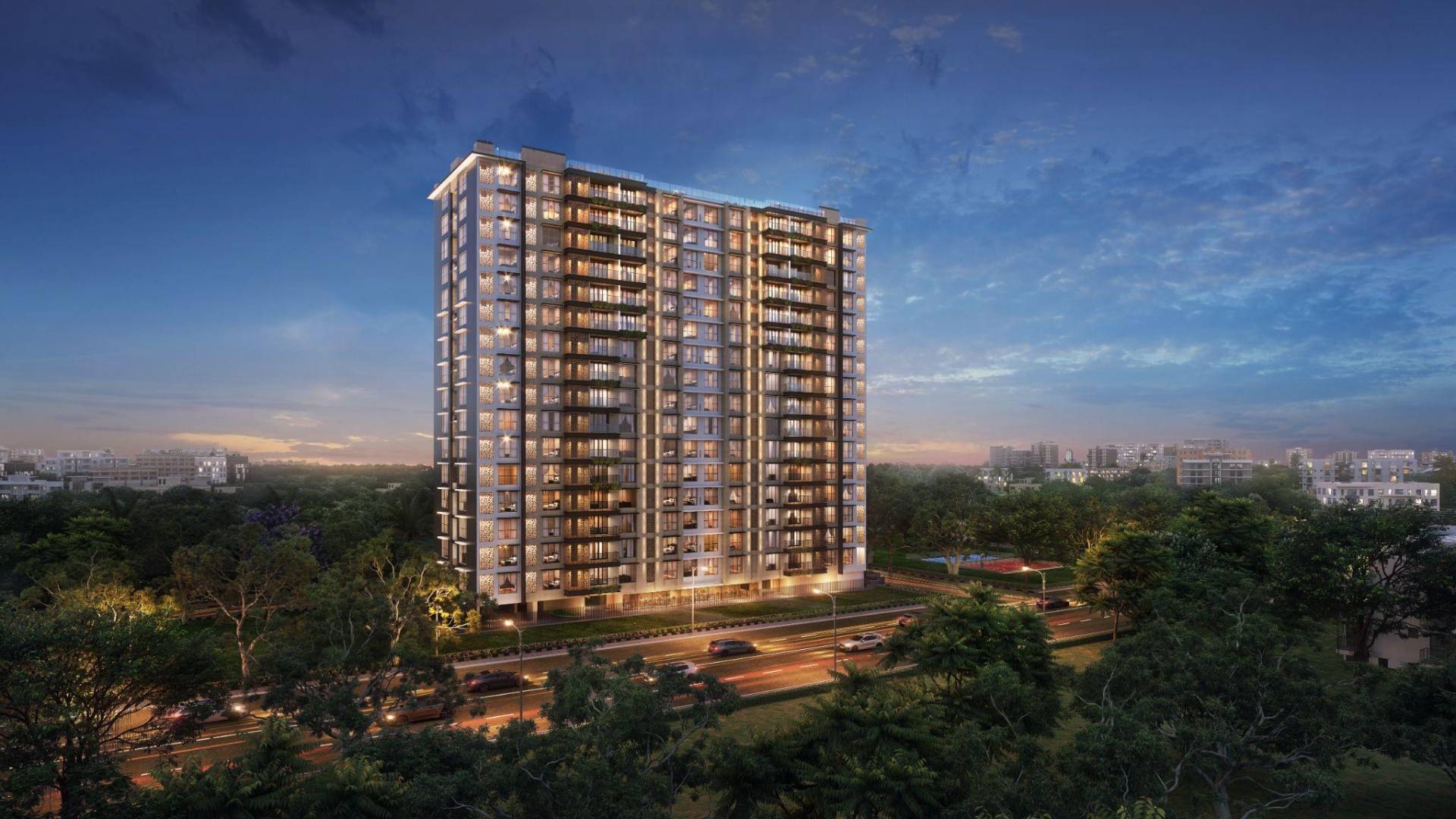
Every serious homebuyer in Mumbai eventually runs into the same fork in the road: pay more today for a flat that’s ready to move into, or pay less now and wait a few years for possession. Both paths are genuinely reasonable, and both carry real trade-offs that go well beyond the headline price difference.
This blog works through the under-construction vs ready-to-move flats in Mumbai decision: the GST difference, what RERA does and doesn’t protect you from, how rental yield and appreciation actually compare, and how to choose based on your own situation. Runwal Realty, which has both under-construction and completed inventory across its Mumbai portfolio, views this trade-off on its own terms, since the right answer depends entirely on what the buyer is optimising for.
The Core Trade-Off: Price, GST, and Possession Timing
On paper, under-construction flats look cheaper, typically 10 to 20%* below comparable ready inventory in the same micro-market. Some of that gap narrows once GST enters the picture: under construction projects in Mumbai attract 5% GST* without input tax credit on non-affordable homes, or 1%* for affordable units priced up to ₹45 lakh* with a carpet area up to 60 sq. metres, while ready-to-move flats in Mumbai with a valid Occupancy Certificate are exempt from GST entirely.
The part that’s easy to overlook is what happens in between. A ready flat starts earning rent, or saving you rent elsewhere, from day one. An under-construction flat typically takes 2 to 4 years to reach possession, during which the buyer earns nothing on that capital while still frequently paying rent at their current residence. Run the full comparison, purchase price, GST, and foregone rent, together rather than looking at the sticker price alone, and the gap between the two options is often smaller than it first appears.
What RERA Actually Protects You From, and What It Doesn’t
RERA has genuinely changed the safety of buying an under-construction flat in Mumbai, but it’s worth being precise about what that protection covers. Every project above a certain size must be registered, with a declared possession date, and the registration must be publicly verifiable. Since May 2026, all MahaRERA filings, registrations, corrections, and project reports run through the authority’s newer MahaCRITI platform rather than the older portal, so it’s worth checking a project there directly rather than relying on a builder’s claims.
What RERA doesn’t do is guarantee on-time delivery. It gives buyers real recourse when a builder misses the registered date: under Section 18, a buyer can withdraw and claim a full refund with interest; under Section 19, they can stay in the project and claim delay compensation instead. Before booking, check the specific developer’s track record on past projects, not just this project’s registration, since RERA gives transparency, not a delivery guarantee. A useful, practical checklist:
- Verify the MahaRERA registration number on the MahaCRITI portal, and confirm it covers the specific tower or phase you are booking.
- Check the declared possession date on the portal against the date written into the Agreement for Sale — the portal date is the one the developer is accountable for.
- Review the promoter’s delivery record across their completed projects, not just the registration of this one.
- Read the payment schedule closely, checking that installments are tied to actual construction milestones rather than a fixed calendar.
Rental Yield, Appreciation, and What This Means for Returns
Across Mumbai, rental yields for residential property generally sit in the 2 to 4% range, with the lower end concentrated in prime South Mumbai, where prices have run well ahead of rents, and the higher end in outer suburbs like Thane and Navi Mumbai. A ready-to-move flat starts generating that yield immediately. An under-construction flat only starts once possession comes through, so its effective return needs to account for those unearned years, not just the eventual rent.
Where under-construction properties tend to make up ground is capital appreciation entry pricing: buying earlier in a project’s cycle, in a credible RERA-registered development, can offer a better entry point than paying the premium for a completed asset. Broadly, buyers with a firm, immediate moving timeline tend to do better with ready-to-move, since they’re paying for certainty; buyers with a three-to-five-year horizon and some tolerance for construction risk are the ones positioned to benefit from under-construction pricing.
Choosing Between the Two: A Practical Framework
There isn’t a universally correct answer here, only a correct answer for a given buyer’s situation. Someone who needs to move in within months, has a fixed budget, and doesn’t want exposure to possession risk should lean towards ready-to-move, even at the higher upfront cost. Someone investing with a three-to-five-year horizon, comfortable underwriting a credible builder’s delivery record, is better positioned to make use of under-construction pricing and the GST trade-off that comes with it. Set side by side, the trade-offs look like this:
| Factor | Under construction | Ready to move |
|---|---|---|
| Entry price | Lower per sq. ft. | Higher — you pay for certainty |
| GST | 5%* (1% for affordable homes) | None, with a valid Occupancy Certificate |
| Rental income | None until possession | Immediate |
| Possession risk | Real; RERA gives recourse, not a guarantee | None — the flat exists |
| What you are buying | A plan and a payment schedule | A finished home you can inspect |
| Payment pattern | Staged, tied to construction milestones | Largely upfront |
| Best suited to | A three-to-five-year horizon and a verified builder | Immediate occupation or immediate yield |
For an NRI investor specifically, ready-to-move flats often carry extra appeal: no need to monitor possession risk from overseas, immediate rental income without coordinating interiors or remote handover inspections, and a completed asset that’s easier to verify and manage from a distance. That said, NRIs with a trusted local point of contact and a longer investment horizon can still make a sound case for under-construction property, particularly for property investment in Mumbai in corridors with strong infrastructure still to be delivered. Whichever direction a buyer leans, the fundamentals stay the same: verify RERA registration on MahaCRITI, check the promoter’s delivery record, and read the payment schedule closely before signing.
That’s the place where a developer’s finished portfolio does more than any brochure. Runwal Realty has been carrying out construction across Mumbai, the MMR, and Pune since 1978 and has completed 35 projects covering an area of 11.22 million sq. ft., a figure a buyer is effectively assuming when they agree to buy a property that is still under construction. The company’s current portfolio includes properties at both ends of the decision-making process, ranging from completed residences that are ready for occupation to those still under development at Malabar Hill, Worli, Wadala, Andheri, Malad, Mulund and Thane, each with its own MahaRERA registration and a declared date of possession that can be checked on MahaCRITI.
*Source: Under Construction vs Ready to Move Flat Mumbai 2026, Nobroker.in