





Sea-Facing vs Skyline-View Luxury Homes in Mumbai: Which Should You Buy?
Published on: July 9, 2026
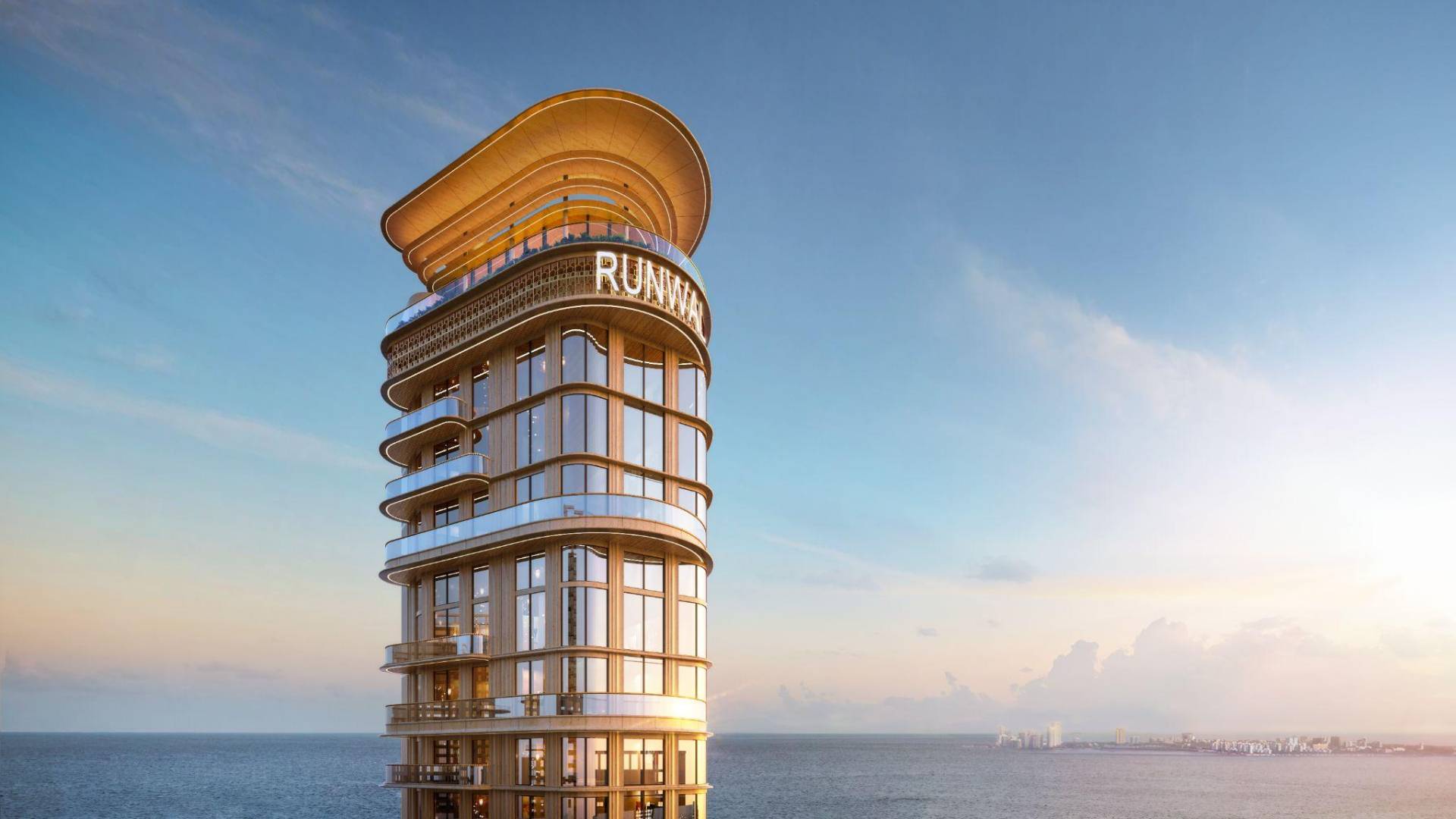
Every luxury buyer in Mumbai eventually faces this choice: pay a substantial premium for a home that looks out over the Arabian Sea, or spend that same budget on a higher floor with commanding views of the city’s skyline. Both are genuinely aspirational, both photograph beautifully in a listing, and both come with very different trade-offs once you look past the view itself.
This blog examines sea-facing apartments in Mumbai versus skyline views, covering what the premium actually buys you, how maintenance and appreciation compare, which corridors offer each view, and what to check before committing either way. Runwal Realty, which has a sea-facing residential presence in Worli through Runwal Raaya, is evaluating both options on their own merits, since the right choice comes down to what a buyer is actually optimising for.
The Sea-View Premium: Is It Actually Worth Paying For?
The premium itself is real, well-documented, and not just a marketing framing. Sea-facing apartments in prime Mumbai corridors typically command a substantial premium over comparable non-view units in the same building or micro-market, part of a luxury segment where sales of Mumbai apartments priced above ₹10 crore reached ₹14,750 crore in H1 2025, an 11% rise year-on-year. That premium tends to scale with how unobstructed the view is: an oblique or sea-link-facing angle commands a smaller uplift than full, direct sea frontage with nothing between the tower and the water. In a large luxury apartment, that difference can run into several crores, which is why it’s worth being precise about the view a specific unit actually offers before assuming the premium is justified.
On appreciation, sea-facing luxury homes in South Mumbai have historically delivered stronger capital growth than standard residential stock, generally in the low double digits annually over sustained periods, helped along by Coastal Regulation Zone rules that strictly limit new construction directly along the shoreline. That scarcity is structural, not cyclical, which helps explain why sea-facing inventory tends to hold its premium even when the broader market softens. The trade-off is maintenance: coastal properties are constantly exposed to salt-laden air and humidity, which accelerates wear on exterior fixtures, window frames, and balcony railings far faster than an inland building. Buyers should factor in higher ongoing maintenance charges and ask specifically about the façade materials and upkeep schedule before assuming the premium view comes at no extra recurring cost.
Sea-Facing vs Skyline-View: What You’re Actually Choosing Between
A skyline-view flat, typically found on a high floor in a tower set slightly inland, trades the water for a different kind of drama: city lights, a wide horizon, and often a more architecturally varied outlook than a flat skyline. It’s a genuine category of high-rise apartment in Mumbai, chosen for the outlook it offers rather than settled for by buyers priced out of the coastline. Skyline-facing units generally cost meaningfully less per square foot than an equivalent sea-facing unit in the same locality, which for many buyers means the difference between a compact sea-facing home and a genuinely larger skyline-facing one at the same budget.
The honest answer to which is better is that it depends on what a buyer values day-to-day. A sea view offers a fixed, unchanging outlook; the water doesn’t get built over, whereas a skyline view can shift over time as a neighbourhood develops further, for better or worse, depending on what gets built nearby. Buyers who prioritise permanence and are willing to pay for it tend to lean sea-facing; buyers who want more space for the same budget, or prefer an urban outlook to a maritime one, often find a well-chosen skyline-view flat delivers most of the lifestyle value at a meaningfully lower cost.
Where to Find Each: Worli, Marine Drive, and the Best Corridors
Worli remains South Mumbai’s most concentrated address for genuine sea-facing flats in Worli, combining direct Arabian Sea frontage with sightlines of the Bandra-Worli Sea Link and strong connectivity via the Coastal Road toward both South Mumbai and the western suburbs. Beyond Worli, Mahalaxmi, Marine Drive, Bandra, and Prabhadevi each offer the same style of coastal living found in Worli sea-face apartments, with Prabhadevi in particular known for its quieter residential character just south of Worli’s density.
For skyline-view alternatives, Lower Parel and Parel offer some of the most compelling inland options, trading direct sea frontage for proximity to South Mumbai’s commercial core and a wider spread of luxury apartments in Mumbai at a more accessible price point. Whether Worli remains the single best address for a sea-facing luxury purchase depends on budget: it commands among the highest per-square-foot rates in the city precisely because its combination of frontage, connectivity, and established prestige is genuinely difficult to replicate elsewhere.
Runwal Realty has developments on both sides of this option. In Worli, Runwal Raaya is a low-density project consisting of two towers on four acres and provides residences with three, four and five beds, starting from an area of 1,738 sq. ft., situated about 2.4 km from the Bandra-Worli Sea Link. Runwal Malabar is on Malabar Hill, while Runwal Timeless is in Wadala and Runwal Auris is in Malad, addressing the inland, skyline-facing side of the issue; the latter is a 58-storey tower with six residences per floor, with the first habitable units starting around 100 feet above ground.
What to Check Before You Buy, and What Floor Actually Matters
Floor height matters more for a sea view than most buyers initially assume. Units above roughly the 15th floor generally offer the best balance: enough elevation to clear neighbouring rooftops and secure an unobstructed sightline, without climbing so high that wind noise and sway become a daily nuisance. Below that range, a sea view can still exist, but is far more vulnerable to future construction that could block it entirely, which is exactly the kind of risk a buyer needs to price in before paying a premium for a view that isn’t actually guaranteed to last.
Before buying either type of home, confirm the same core set of things:
- Registration and track record — verify the project’s MahaRERA registration on the MahaCRITI portal, and check the promoter’s delivery record across completed projects.
- Whether the view is protected — ask specifically whether Coastal Regulation Zone status safeguards the outlook, or whether a future development on an adjoining plot could obstruct it.
- The real maintenance cost — get a clear picture of ongoing charges at full occupancy rather than relying on the launch-stage estimate.
On new sea-facing supply specifically, CRZ restrictions mean genuinely new construction directly along Mumbai’s shoreline is limited by design, so most 2026 activity in this segment is concentrated in redeveloping existing coastal plots in established corridors like Worli, rather than opening up entirely new stretches of waterfront.