





Living in Malabar Hill: Why it Remains One of Mumbai’s Most Prestigious Addresses
Published on: August 4, 2026
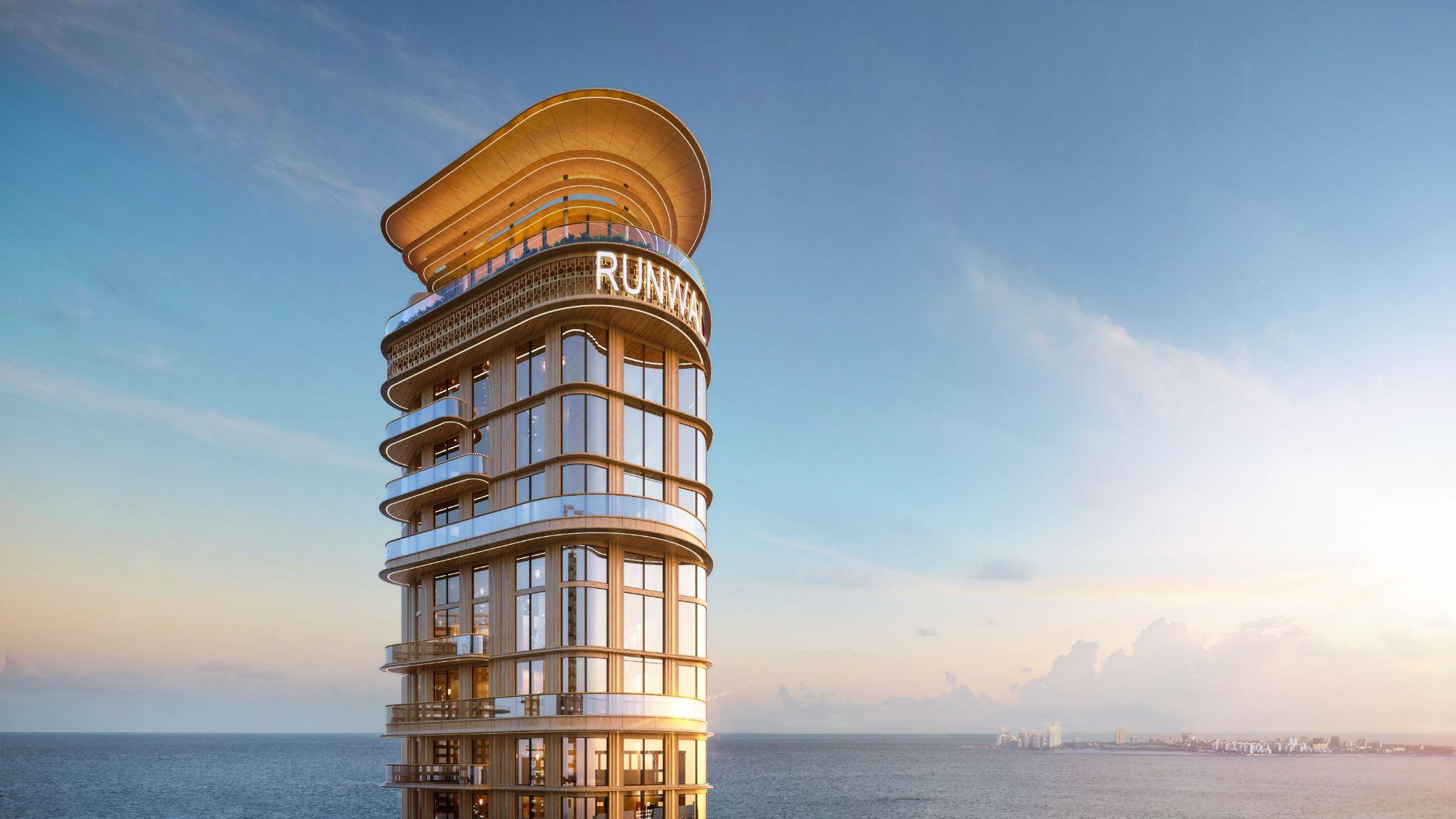
Some addresses maintain their status over decades due to geography, not just marketing. Malabar Hill is a prime example in Mumbai. It rises 55 metres above sea level, making it the highest natural point in South Mumbai. The hill curves along the western ridge of the peninsula, catching the Arabian Sea breeze on one side while offering views of Back Bay, Marine Drive, and the Nariman Point skyline on the other. It has been the city’s most sought-after residential address since the 1880s, and the reasons for that have remained unchanged.
This blog by Runwal Realty explores what gives Malabar Hill its enduring charm as a residential community, what sets it apart from other luxury addresses in Mumbai, and what living at this elevation truly means.
What Gives Certain Neighbourhoods an Enduring Sense of Prestige?
Prestige in residential real estate stems from factors such as scarcity, geography, history, and the social circles of former residents. The most sought-after luxury addresses in any city have characteristics that are difficult or impossible to recreate elsewhere:
- A natural feature that cannot be moved or built over, like the 55-meter elevation at Malabar Hill
- A history of notable residents, including the Governor of Maharashtra at Raj Bhavan and the Chief Minister at Varsha Bungalow, who have lived on the hill for over a century, along with generations of Mumbai’s business and public figures
- Regulations that limit density, such as an FSI of 1.33 for residential buildings in South Mumbai, along with heritage rules that prevent construction within 100 feet of the hill’s slopes
- A location that offers both visibility and privacy, surrounded by the Arabian Sea on one side and Priyadarshini Park and the Hanging Gardens on the other
These traits support one another over time. Each generation of distinguished residents improves the neighbourhood’s reputation. This attracts the next group of buyers, who prefer a well-known address over a newly marketed one. This is why Malabar Hill’s prestige has remained intact through 140 years of Mumbai’s growth.
Why Malabar Hill Continues to Occupy a Unique Place in Mumbai’s Luxury Landscape
Mumbai’s luxury real estate market has grown significantly over the past two decades. Areas like Worli, Parel, BKC, and Lower Parel have become high-value addresses, with tower developments fetching high prices. Malabar Hill differs from these newer markets not because of quality differences, but because of more fundamental factors: age, regulatory depth, and geographic limits that no amount of development money can replicate.
The neighbourhood’s history goes back to at least the 10th century. The Walkeshwar Temple, the oldest religious structure on the hill, was originally built during the Silhara dynasty. This kingdom controlled much of what is now Maharashtra from around 810 to 1240 CE. The temple was rebuilt after Portuguese colonial forces destroyed it in 1715. It remains an active place of worship today. The Banganga Tank, part of the same Walkeshwar complex, dates to 1127 CE, according to historical and archaeological records. It is considered one of the oldest standing structures in Mumbai. These are not just decorative heritage labels; they show a long history of habitation and significance that few residential areas in India can claim.
The Hanging Gardens, officially known as the Pherozeshah Mehta Gardens, were built in the 1880s atop the Malabar Hill reservoirs, the same reservoirs that still supply part of South Mumbai’s water. Kamala Nehru Park, directly across, and Priyadarshini Park by the Arabian Sea create a continuous band of green space that separates Malabar Hill from the city’s density. This green infrastructure isn’t just decorative; it’s permanent, protected, and constitutionally so. It cannot be redeveloped. It will continue to shape the neighbourhood’s character despite changes elsewhere in Mumbai.
The Mumbai Coastal Road, which started Phase 1 in March 2024, includes 2.07 km of twin tunnels that pass beneath Malabar Hill and Girgaon Chowpatty. These tunnels were bored using India’s largest tunnel boring machine, a 12.19-metre-diameter TBM, which is the widest road tunnel diameter in India. They reach a maximum depth of 72 metres below the hill. The tunnels greatly reduce travel times between South Mumbai and the western suburbs without changing the landscape or residential character of Malabar Hill.
A Neighbourhood Defined by Space, Views and Privacy
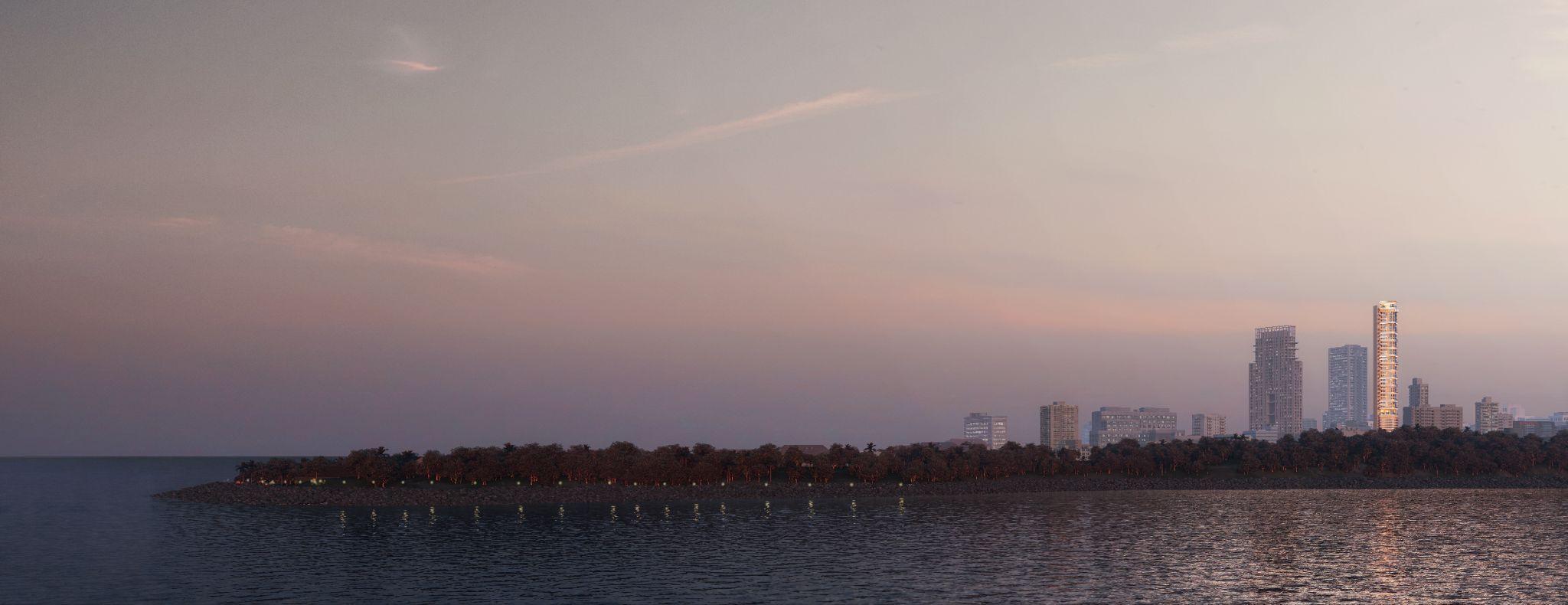
Living in Malabar Hill differs from other luxury neighbourhoods in Mumbai due to the combination of spaciousness, unobstructed views, and natural privacy provided by the geography.
At 55 metres above sea level, homes in Malabar Hill sit higher than most surrounding buildings. Residents can see the Arabian Sea from the west and north. Back Bay, Girgaum Chowpatty Beach, and the Marine Drive curve are visible to the south and east. The Nariman Point skyline completes the view to the south. These views remain open because the hill’s topography lifts most residences above the general roofline.
The neighbourhood’s low-density profile, thanks to an FSI cap of 1.33 and regulations that prevent building within 100 feet of hill slopes, creates greater spacing between buildings than in other city areas. This changes not only the visual aspects of the neighbourhood but also its acoustics, the natural light in apartments, and the feeling of distance from the urban density that characterises the rest of Mumbai.
Runwal Malabar is located next to the Governor’s Estate on Malabar Hill. It is Runwal Realty’s ultra-premium offering at this address. Rising 690 feet above the city, it has just 11 sky mansions. Each mansion offers a stunning 270° view of the Arabian Sea, Mumbai’s skyline, and the sky above. Prices start at ₹33 Cr*. With only 11 residences, this exclusivity comes from the land limitations and regulations that characterise Malabar Hill as a residential area. For the complete specification sheet, including configuration and amenity details, contact Runwal Realty’s sales team.
The Lifestyle That Comes With a Malabar Hill Address
Malabar Hill’s residential identity comes from what it lacks as much as what it offers. It is free from the commercial congestion of Andheri or Bandra. It doesn’t have the through-traffic common in major commercial areas. It also lacks the development density found in even other parts of South Mumbai. Instead, it offers a unique quality of daily life that is hard to find in such a large and intense city.
Priyadarshini Park, Kamala Nehru Park, and the Hanging Gardens provide green space within walking distance, eliminating the need to plan or commute to access them. The Banganga Classical Music Festival, held at the Banganga Tank, features outdoor performances in the neighbourhood’s heritage setting. The Walkeshwar temple complex remains an active site of daily religious life, offering a spiritual continuity that has persisted for centuries.
Key business districts in South Mumbai, Nariman Point, BKC via the Bandra-Worli Sea Link and the Coastal Road, and Lower Parel, are all a reasonable drive away. The neighbourhood is close enough to stay connected with the city’s centre while being separate enough to maintain the sense of exclusivity that defines the address.
Residents of Malabar Hill enjoy access to some of Mumbai’s top amenities. Breach Candy Hospital, the Willingdon Sports Club, the Bombay Gymkhana, and the retail and dining scene in South Mumbai are all just a short drive away. Runwal Malabar’s residents live next to the Governor’s Estate, 690 feet above the city. They access all of this from one of Mumbai’s highest and most private addresses.
More Than Real Estate: The Value of Living in an Iconic Neighbourhood
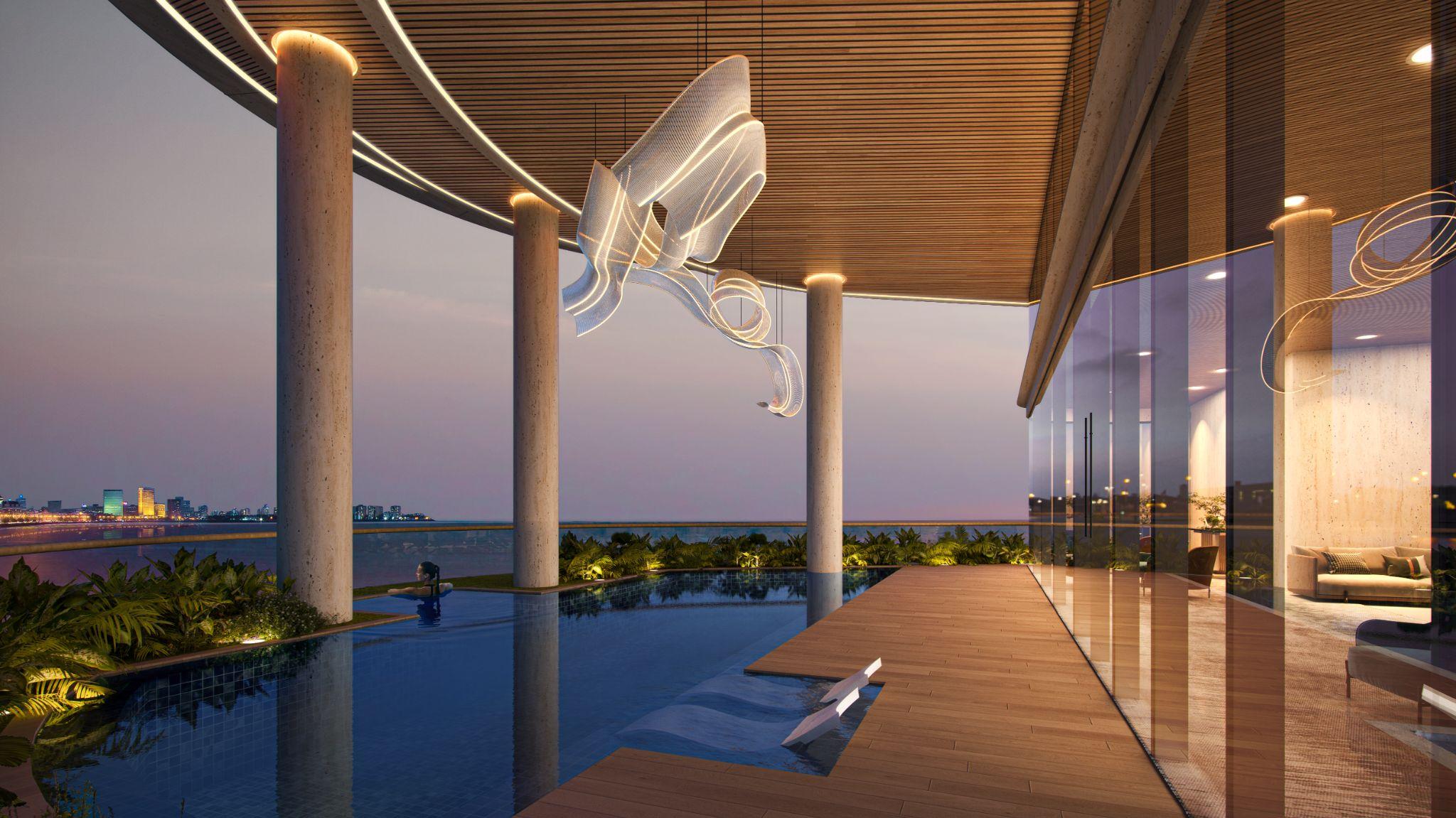
No price can fully express the worth of an address like Malabar Hill. Price per square foot indicates what someone paid on a specific date. It does not account for the historical decisions, regulatory, geographic, and social factors that shape a neighbourhood and draw buyers to it generation after generation.
Malabar Hill’s reputation stems from its geography, which is unlike that of any other part of the city, regulatory protections that have kept density low, and a rich history of notable residents, including colonial administrators, business families, public figures, and cultural icons. This reputation also arises from the scarcity of land at this elevation, in this location, with these views, and under these regulatory protections. That scarcity will not increase. New developments face constraints due to heritage protections, slope restrictions, and the physical limits of the hill itself.
For buyers looking at these factors, Malabar Hill is not just a luxury address. It is one of the few places in India where geography, heritage protection, scarcity, and steady demand converge. Runwal Malabar, with its 11 sky mansions rising 690 feet above the city next to the Governor’s Estate, represents this address at its finest. It is built for buyers who know that a home’s surroundings are just as important as what is inside.
Looking Beyond the Home: Why Location Shapes Lifestyle
Buying a home at this level is more than just getting shelter. It involves deciding what daily life will look and feel like, and what kind of community will surround a family for years or decades. Malabar Hill answers these questions specifically: it is situated at the highest natural elevation in South Mumbai, has heritage protections that have sustained its low-density character for over a century, offers green open space that cannot be developed, boasts views that remain unobstructed, and has a history of distinguished residents that continues today.
Runwal Realty’s presence in Malabar Hill, through Runwal Malabar, reflects the company’s approach to ultra-luxury in South Mumbai. They focus on locations whose long-term features are shaped by geography and regulations rather than trends. The 11 sky mansions in Runwal Malabar are positioned within this context: adjacent to the Governor’s Estate, significantly elevated above the city, and in a neighbourhood with characteristics that have been consistently upheld for over a century.