





Is the Pune Real Estate Market Good for Long-Term Investment?
Published on: February 26, 2026
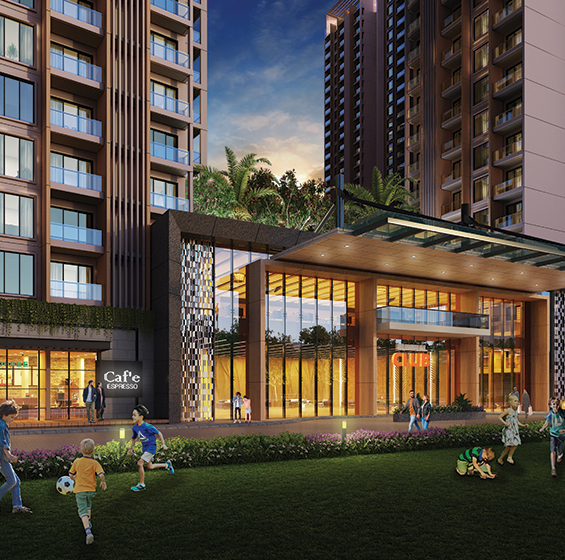
Pune has evolved into one of India’s most stable and opportunity-rich property destinations. With consistent job creation, large-scale infrastructure upgrades, and rising lifestyle aspirations, the real estate market in Pune is widely regarded as a strong long-term investment option. Areas like Pimpri Chinchwad have emerged as high-growth corridors, attracting both end-users and investors. In this blog, we evaluate demand fundamentals, infrastructure impact, risks, and return potential to determine whether Pune truly stands out for long-term real estate investment.
Why Is Pune Considered a Strong Long-Term Real Estate Market?
1. Strong IT & Manufacturing Job Base
The real estate market in Pune is powered by a diversified economic engine. Hinjawadi’s Rajiv Gandhi Infotech Park, Baner, and Wakad continue to generate employment across IT and ITES sectors. Simultaneously, Pimpri Chinchwad remains a major industrial and manufacturing hub, home to leading automobile and engineering companies.
This economic diversity reduces dependency risk and ensures sustained housing demand—an essential factor for long-term appreciation.
2. Continuous Population Migration
Pune consistently attracts professionals from Mumbai, Bengaluru, and Tier-2 cities seeking better affordability and work-life balance. Pimpri Chinchwad, in particular, has seen strong residential absorption due to its proximity to employment hubs and comparatively competitive pricing.
Steady migration strengthens the real estate market in Pune, supporting both rental demand and capital growth.
3. Education & Startup Ecosystem
Pune’s educational institutions and startup ecosystem create a steady pipeline of future homebuyers.
4. End-User–Driven Demand
Unlike speculative markets, the real estate market in Pune is largely end-user driven. Families purchase homes for residence rather than quick resale. This reduces volatility and contributes to price stability over time.
Infrastructure & Connectivity Impact on Property Growth
Infrastructure plays a decisive role in long-term property appreciation, and the real estate market in Pune continues to benefit from major public investments.
Metro Expansion
The Pune Metro expansion is enhancing connectivity across PCMC (Pimpri Chinchwad Municipal Corporation) and central Pune. Improved transit reduces commute time and increases residential desirability in growth corridors.
Ring Roads & Highways
The proposed Ring Road and enhanced highway connectivity between Pune and Mumbai are expected to unlock new residential micro-markets while easing congestion.
IT Parks & Business Hubs
Commercial expansion in Hinjawadi and Pimpri Chinchwad ensures sustained residential demand nearby. When employment clusters expand, housing absorption naturally follows—supporting steady growth in the real estate market in Pune.
Residential Demand vs Investment Demand in Pune
Understanding buyer behaviour is key to evaluating long-term investment viability.
End-Users vs Investors
Pune has a higher proportion of genuine end-users compared to speculative investors. This creates healthier price movement and reduces market shocks.
Why End-User Demand = Long-Term Stability
When families purchase homes for long-term use, prices tend to appreciate steadily rather than fluctuate sharply. This is why the real estate market in Pune is considered stable and predictable.
Preference for 2 & 3 BHK Homes
Post-pandemic, demand has shifted toward spacious layouts. A 3 BHK apartment in Pune has become particularly popular among IT professionals and upwardly mobile families.
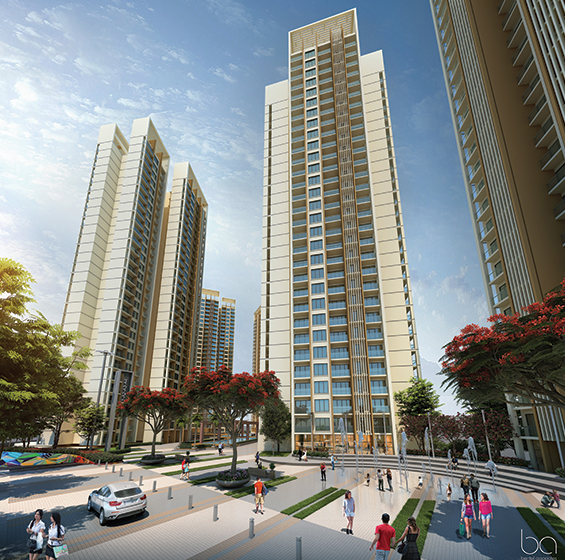
Premium developments such as Runwal Central Park in Pimpri Chinchwad reflect this trend. Spread across expansive green landscapes, the project offers thoughtfully designed 3 BHK in Pune configurations suited for long-term living.
Buyers exploring spacious configurations can review detailed offerings here: https://runwalrealty.com/3-bhk-apartment-in-pune/
At Runwal Central Park, residents benefit from premium lifestyle infrastructure including Club Oasis—a large integrated clubhouse—and immersive 360° project views that allow buyers to visualise long-term living quality before purchase.
Who Should Consider Long-Term Real Estate Investment in Pune?
The real estate market in Pune caters to multiple buyer profiles:
1. End-Users Planning Future Residence
If you plan to settle in Pune within the next 5–10 years, investing early in growth corridors like Pimpri Chinchwad can help secure current pricing before infrastructure projects mature.
2. Working Professionals
IT and manufacturing professionals working in Hinjawadi or PCMC benefit from proximity-based investments. A 3 BHK Apartment in Pune offers both lifestyle upgrade and long-term security.
3. Long-Term Investors (7–10 Year Horizon)
Investors with a 7–10 year holding period are best positioned to benefit from Pune’s steady appreciation model.
Township-style developments such as Runwal Central Park stand out because they combine:
- Strategic PCMC location
- Large green open spaces
- Lifestyle-centric amenities
- Strong developer credibility
These elements significantly enhance long-term value within the real estate market in Pune.
Is Now the Right Time to Invest for the Long Term?
Timing often matters less than fundamentals.
Market Consolidation Phase
The real estate market in Pune is currently experiencing steady, rational growth rather than speculative spikes. This phase supports long-term entry decisions.
Better Negotiation Opportunities
Stable market cycles sometimes offer attractive pricing structures and payment flexibility—particularly in emerging micro-markets like Pimpri Chinchwad.
Focus on Value, Not Speculation
Successful long-term investment depends on:
- Location quality
- Infrastructure readiness
- Developer track record
- Community planning
Projects such as Runwal Central Park align with these parameters, making them strong contenders for long-term buyers.
Final Verdict – Is Pune Good for Long-Term Real Estate Investment?
Yes—especially for patient, research-driven investors.
The real estate market in Pune benefits from:
- Economic diversification
- IT and industrial growth
- Strong migration trends
- Expanding metro and highway infrastructure
- High demand for larger homes such as a 3 BHK in Pune
Pimpri Chinchwad, in particular, is emerging as a long-term growth hotspot due to employment proximity, improving infrastructure, and planned residential developments.
For buyers evaluating township living, Runwal Central Park offers a compelling mix of connectivity, lifestyle amenities, and spacious planning—key factors for long-term appreciation.
If you’re planning a long-term investment in Pune, choosing the right location and project matters more than timing the market. Align your decision with strong fundamentals, and the city’s growth trajectory can work in your favour over the next decade.
Looking ahead, Pune’s evolution is far from complete. As Pimpri Chinchwad and surrounding growth corridors mature, and as township developments raise lifestyle benchmarks, the real estate market in Pune is poised to remain a strong long-term investment landscape for informed buyers.