





How the Metro is Reshaping Luxury Living in Andheri West
Published on: July 1, 2026
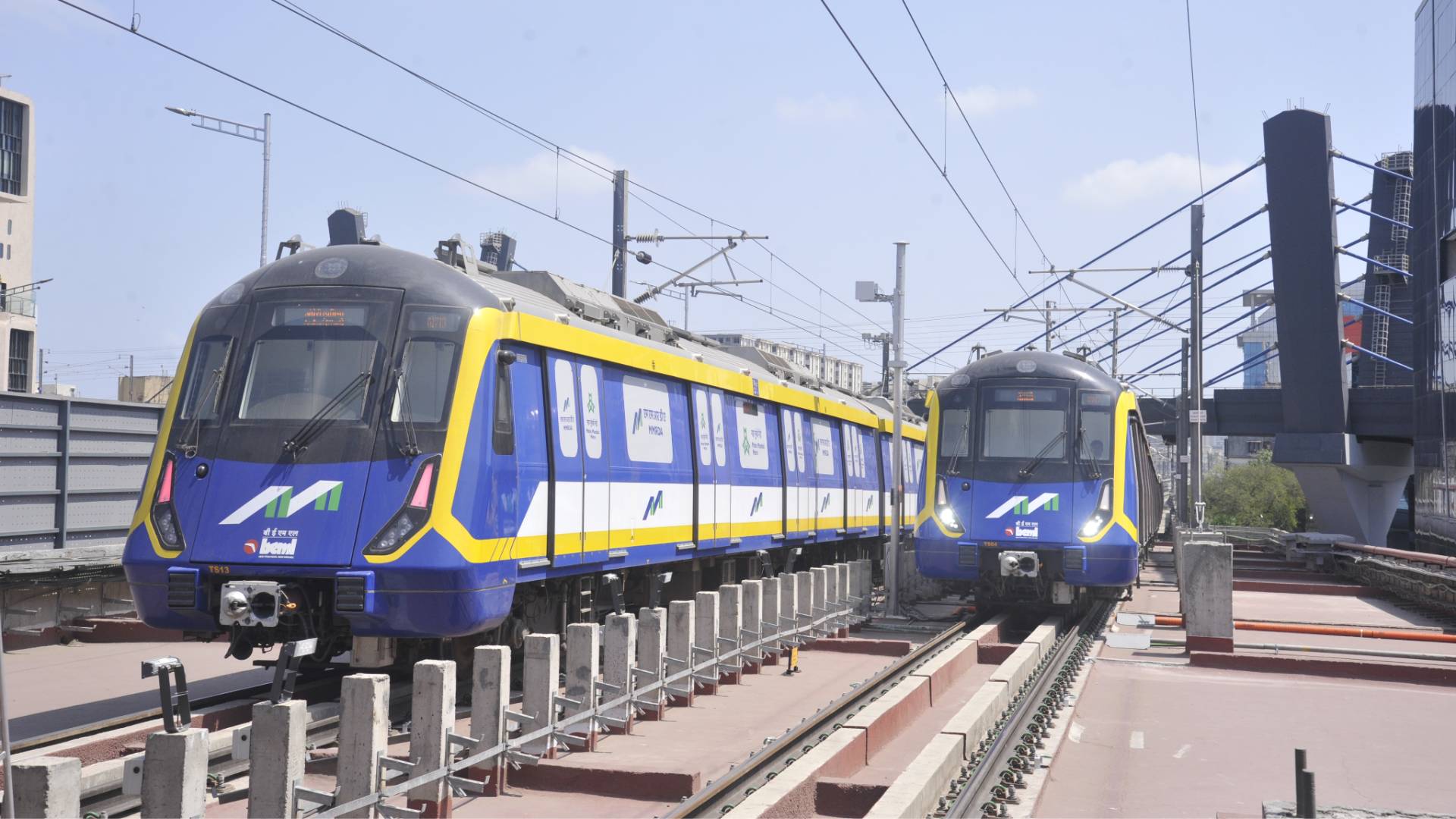
Andheri West has never lacked demand. What it lacked, for years, was a way to move through itself and the rest of the city without depending entirely on the Western Express Highway and its predictable congestion. Metro Lines 2A and 7 have started to close that gap, and the shift shows up less as a single dramatic change and more as a steady, compounding improvement in how the suburb actually functions day to day.
This blog examines how Andheri Metro connectivity has genuinely changed residents’ and buyers’ lives, how it’s reflected in property values, and where luxury homes in Andheri stand today as a result. Runwal Realty, which has a residential presence in the neighbourhood through Runwal Rare, looks at Andheri West’s metro-driven transformation here on its own terms, since the case for buying needs to hold up independent of any single project.
Why Andheri West Is Drawing Luxury Homebuyers
Andheri West’s appeal was never really in question: established social infrastructure, a genuinely mixed-use character spanning retail, entertainment, and residential streets, and a location central enough to reach most of the city without committing to a single direction. What’s changed is that the suburb’s biggest long-standing weakness, dependence on road transport for east-west movement, is being addressed directly. Metro Line 2A runs along the Link Road corridor connecting Andheri West to the western suburbs, while Metro Line 7 follows the Western Express Highway corridor connecting Andheri East and beyond. Together, they reduce a resident’s dependence on road traffic in ways that weren’t possible before. For buyers evaluating flats in Andheri, that mix of established lifestyle infrastructure and improving transit is genuinely rare in Mumbai, where suburbs usually have to trade one for the other.
What Metro Lines 2A and 7 Have Actually Changed
The honest way to describe the metro’s impact so far is gradual and practical, not transformative overnight. Developers and brokers report meaningfully higher enquiry levels for projects that highlight metro proximity, and property values in micro-markets within roughly a kilometre of a station have responded accordingly, even before the network reaches its full planned scale. That’s a different story from a single infrastructure announcement causing an overnight price jump; it’s the slower, more durable kind of change that tends to hold up over a full market cycle.
On the specific question of reaching BKC, the honest picture is that the metro’s biggest current benefit is intra-suburb movement, connecting Andheri West’s own neighbourhoods and the wider rail network, rather than a single-seat metro ride straight into BKC. By road, the Western Express Highway remains the fastest direct route for that commute today. The metro helps by reducing how much daily life in Andheri West depends on that same road corridor, which is precisely the kind of change that compounds as the network expands further toward Dahisar, Kasarvadavali, and beyond in the years ahead.
Property Rates, Best Pockets, and What’s Available Near the Metro
Andheri West’s average property rate is roughly Rs 38,000 to 40,000 per square foot as of mid-2026, with a rental yield of around 3%. However, actual pricing varies considerably by pocket and building age, ranging from more accessible options to genuinely premium addresses. For luxury apartments in Andheri West specifically, Lokhandwala, Link Road, Versova, DN Nagar, and Oshiwara remain the pockets buyers gravitate toward, combining established premium positioning with genuine proximity to metro access.
Luxury developments near the metro corridor tend to lead with a fairly consistent set of amenities, including swimming pools, well-equipped fitness centres, dedicated children’s play areas, landscaped podium gardens, and clubhouse spaces built for both daily use and larger gatherings, positioned specifically to complement a lifestyle where residents are spending less time commuting and more time actually at home. Whether now is the right time to buy near Andheri Metro depends on how long you plan to hold. If you are buying for the medium to long term, you stand to gain as more of the network opens. At the same time, those needing an immediate, fully realised transit upgrade should factor in that some of the network’s promised benefits are still being built out.